Guangzhou Morning Tea and Xiguan Charm
People from Guangzhou often say "Food is in Guangzhou," but it wasn't until I actually arrived here that I realized — this phrase isn't an adjective, it's a verb. At eight in the morning, I was already seated in the main hall of Dian Dou De, with a dense dim sum menu spread out before me.
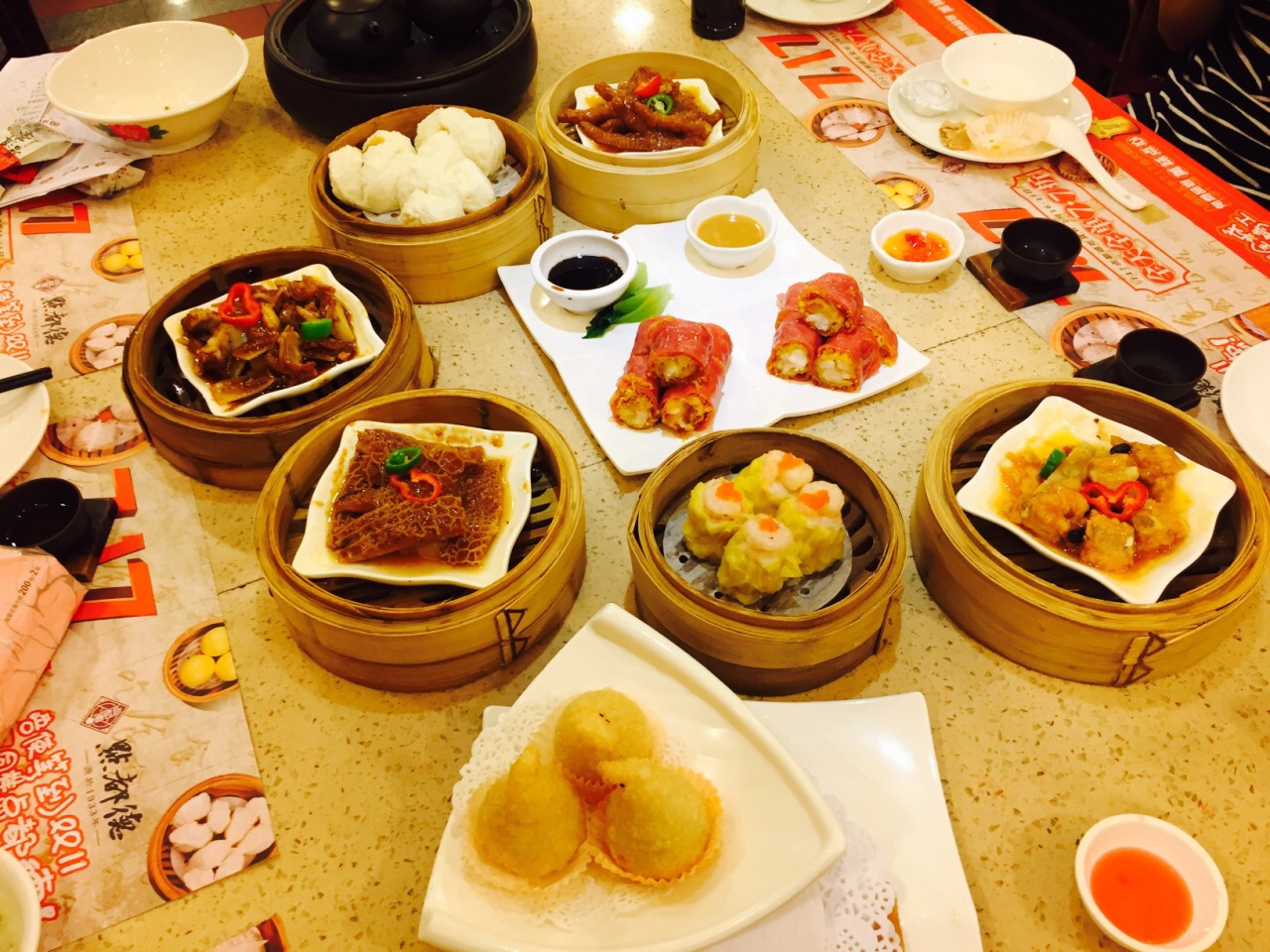
The shrimp dumplings arrived first. The wrapper was so thin you could see the pink shrimp inside. One bite and the sweet, savory juices burst out — this was a completely different species from the frozen har gow I'd had up north. The red rice roll was another surprise: the outer layer was soft and glutinous, the middle crispy, the inside springy and bouncy. Dipped in a little peanut sauce, the layers were so distinct they felt almost engineered. And of course, there were the chicken feet and honeycomb tripe, richly steeped in sauce, steamed to perfection.
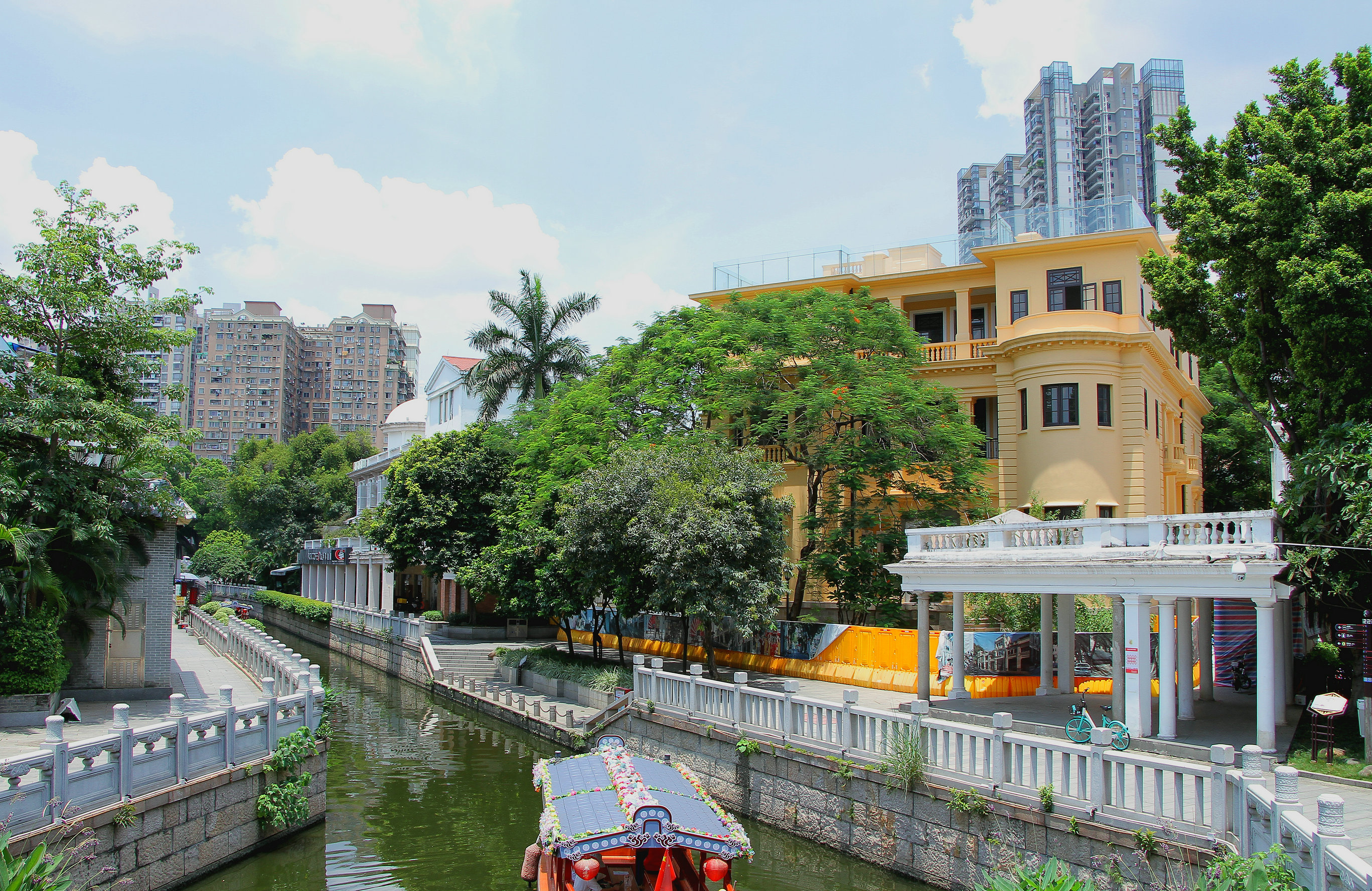
By the time we finished morning tea, it was nearly eleven. Walking along Longjin West Road towards Lychee Bay, the arcade buildings lining the street pulled you straight back into old Guangzhou. The waterway at Lychee Bay wasn't wide, flanked by old-style Xiguan mansions and renovated faux-antique buildings. Black-canopied boats drifted slowly by, and the boatwoman occasionally hummed a few lines of Cantonese opera. I walked along the waterfront for a while, the air thick with the scent of banyan trees and rippling water. The clamor of the city seemed sealed off behind an invisible door.
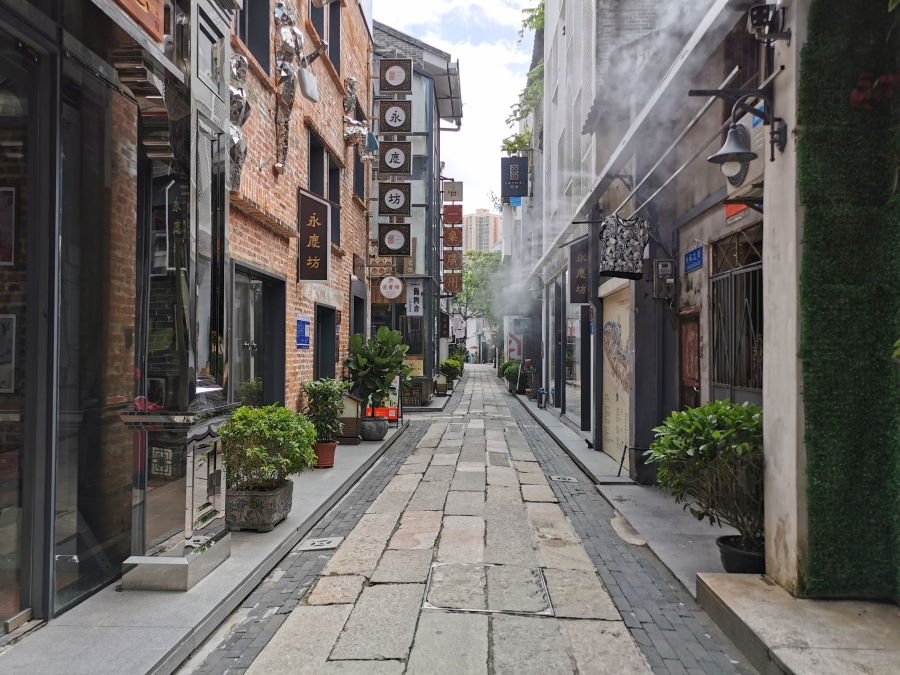
In the afternoon I headed to Yongqing Fang. This is a cultural-creative neighborhood transformed from old Xiguan, where the green brick walls, Manchurian windows, and horizontal sliding doors have all been preserved, yet inside they've become independent bookstores, craft workshops, and boutique coffee shops. The Cantonese Opera Art Museum is right next door. I wandered through it for a while — the exhibition hall displayed ornate costumes and headdresses, and an old record played "The Emperor's Daughter" on loop. That lilting melody had a way of quietly calming you down.
By the time I stepped out of Yongqing Fang, dusk was falling. A tricycle jingled past, and under the arcade, an old man began packing up his mahjong table. The old quarter of Guangzhou has a kind of unhurried certainty about it — no matter how the outside world changes, it keeps drinking its tea, keeps singing its operas.