Chengdu Giant Pandas and Kuanzhai Alleys
The first thing to do in Chengdu isn't eating hotpot — it's seeing the giant pandas.
I took a taxi to the Chengdu Research Base of Giant Panda Breeding at 7 a.m. The reason for arriving so early is that pandas are afraid of heat — once the sun climbs high, they retreat into air-conditioned rooms and won't come out. The park opens at 7:30, and I headed straight for the Moonlight Nursery. Luck was on my side — two panda cubs, less than a year old, were dozing on a wooden frame, fluffy black-and-white balls of glutinous rice dumpling. Nearby, an adult panda was intently munching on bamboo, the crunch-crunch sound incredibly infectious, making you want to nibble on something too.
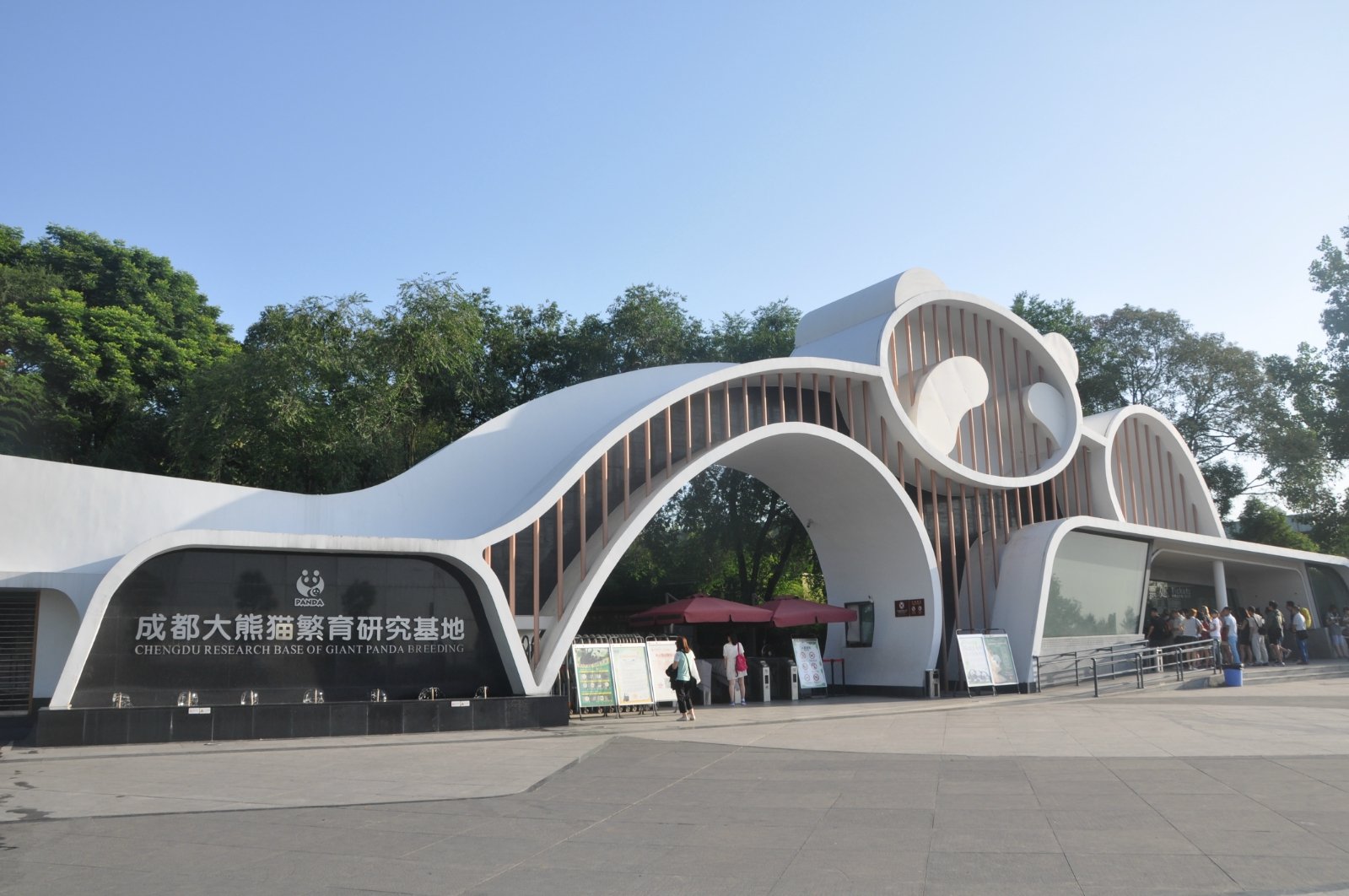
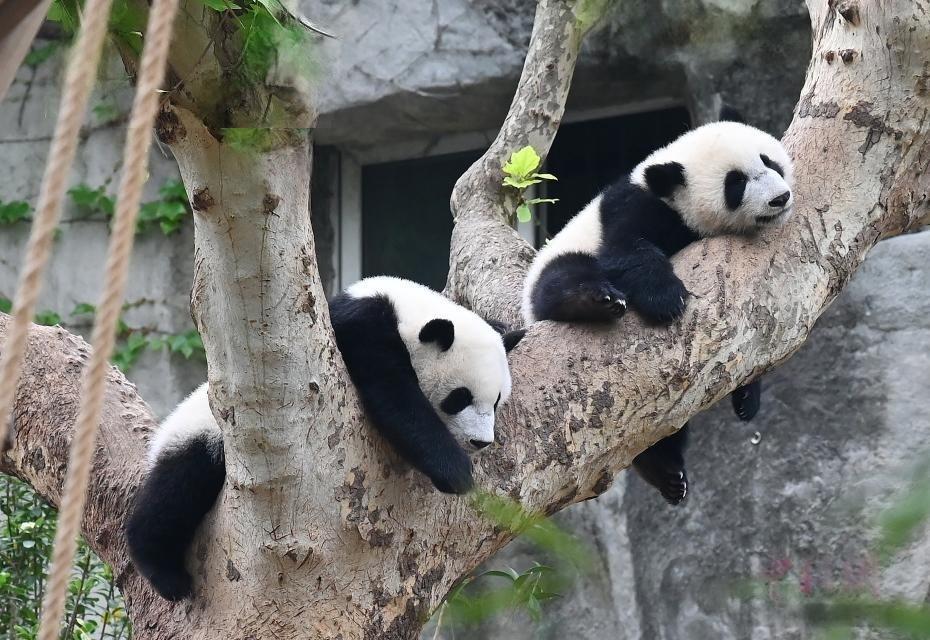
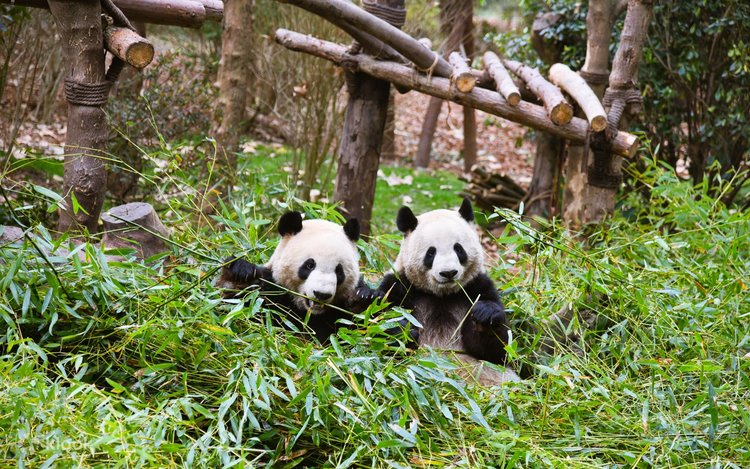
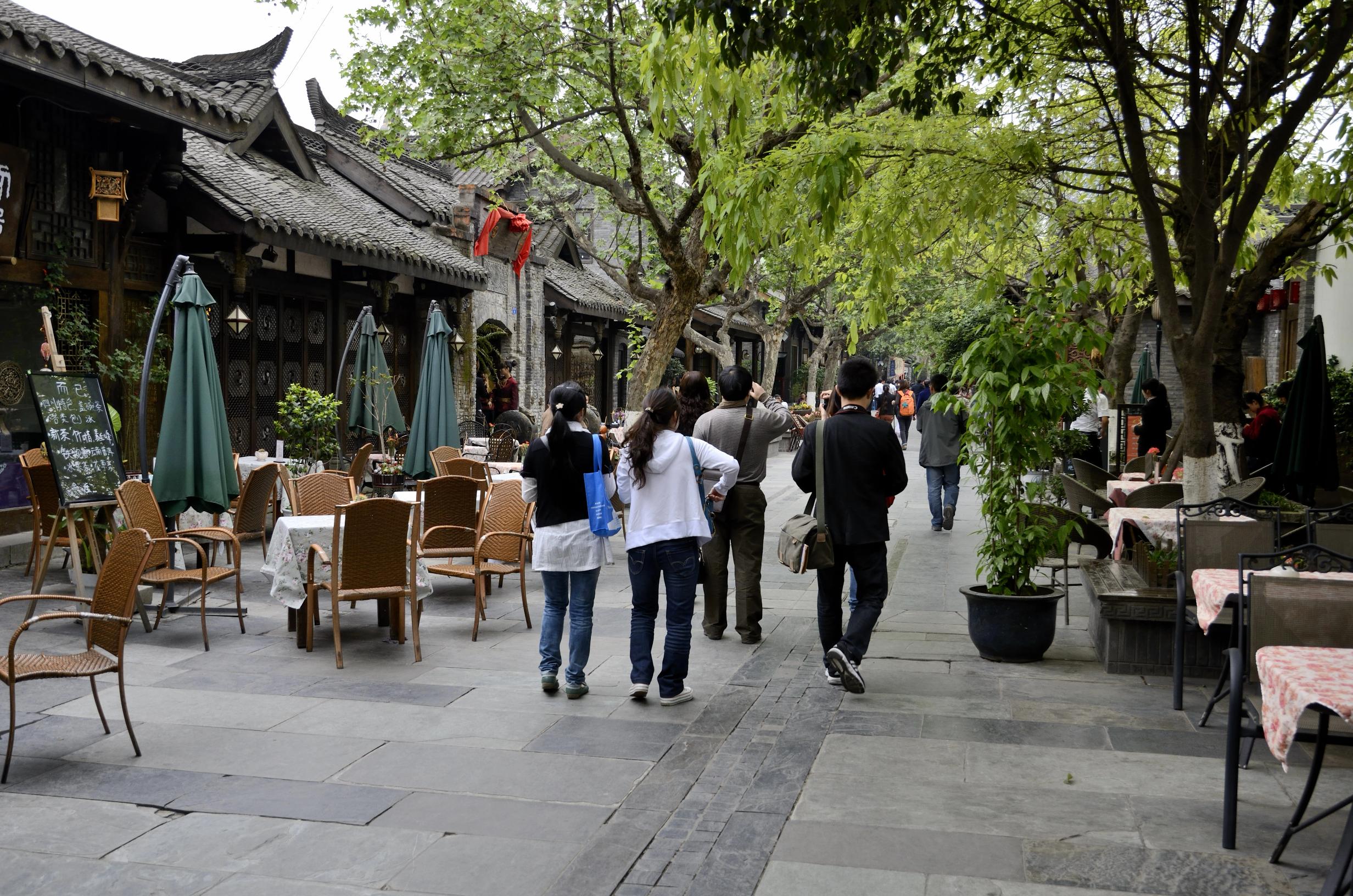
By the time I left the base, it was past eleven. I headed straight for Kuanzhai Alleys. Kuanzhai Alleys consists of three parallel Qing Dynasty-era streets: Kuan Alley (Wide Alley), Zhai Alley (Narrow Alley), and Jing Alley (Well Alley). Kuan Alley is all about "leisurely living," filled mostly with tea houses and boutique shops; Zhai Alley is about "slow living," interspersed with cafés and Western restaurants. I stepped into a tea house, ordered a cup of Zhuyeqing green tea, and sat in the courtyard watching the world go by — ear-cleaning masters clanking their metal tools to attract customers, staff dressed as the legendary general Zhang Fei standing at doorways selling Zhang Fei beef, and face-changing performers snapping their fans with a flick on the street, revealing yet another opera mask.
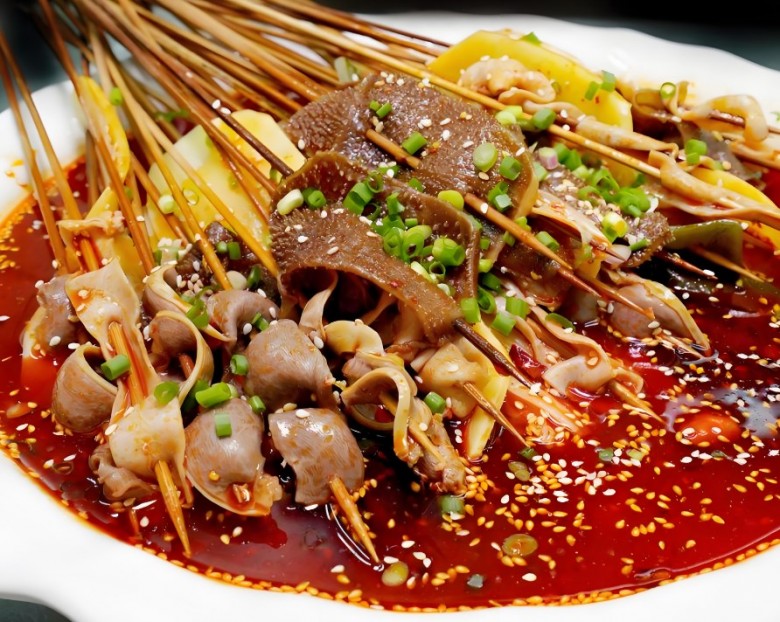
For dinner, I went to Maojiao Huola. This is a "fly restaurant" tucked under an old residential building — the ambiance is nothing to write home about, but the queue outside wound around twice. I ordered the signature chuan chuan xiang (skewered hotpot) — skewers of beef, tripe, duck intestine, lotus root slices, and potato slices tossed into a bubbling pot of red chili oil, then fished out and dipped in a dish of garlic paste and sesame oil. One bite, and the numbing, spicy, fragrant, and savory flavors all exploded in my mouth at once. Chengdu's spiciness is different from Chongqing's — Chongqing heat is direct and fierce, while Chengdu's heat hides a layer of Sichuan peppercorn numbness and the richness of the broth base, with a lingering, enduring kick.
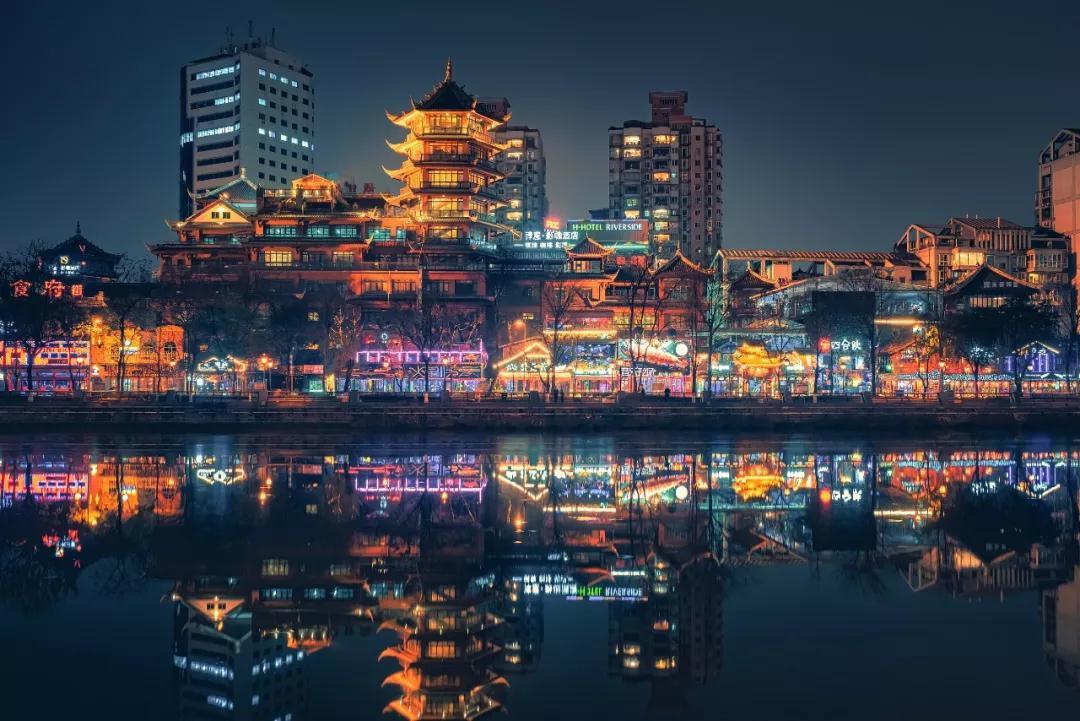
After eating, I strolled along the Jinjiang River to digest, watching the neon lights on both banks reflected in the water.
Chengdu is a city of contradictions — it has the fashion and luxury of Taikoo Li, yet also the down-to-earth bustle of humble fly restaurants. But whichever Chengdu you encounter, it always exudes a sense of "anyi" — that untranslatable comfort and ease.