Tianjin Western Architecture and Xiangsheng Culture
Tianjin and Beijing are only half an hour apart by high-speed rail, but their temperaments are worlds apart. Beijingers talk politics; Tianjiners talk punchlines.
A ten-minute walk from Tianjin Station brought me to the Five Great Avenues. This area is home to over two thousand garden villas built in the 1920s and 1930s — English, French, German, Italian, Spanish styles… It's less a neighborhood and more an open-air museum of world architecture. I rented a bicycle and rode slowly, stopping to study the plaques whenever a particularly beautiful villa caught my eye — this one housed a Northern Warlord, that one sheltered a patriotic activist. The afternoon sun filtered through the leaves of plane trees onto Machang Avenue; the whole street lay quiet, broken only by the occasional jingle of horse-drawn carriage bells.
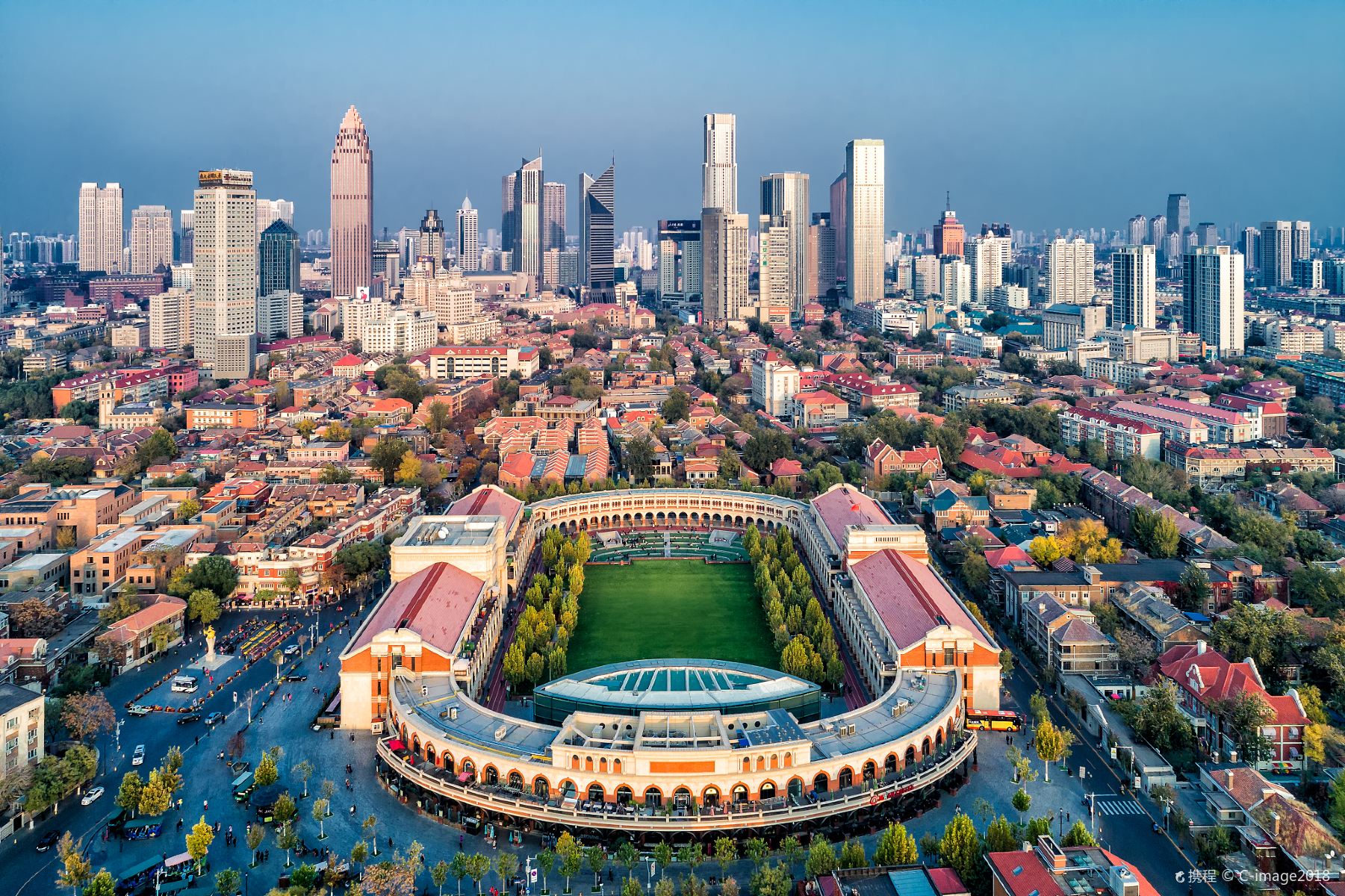
From the Five Great Avenues, I headed to the Ancient Culture Street. The scene shifted completely — red lanterns everywhere, Yangliuqing New Year paintings, the signs of Clay Figurine Zhang, the sweet fragrance of fried ear-hole cakes wafting through the air. I slipped into a xiangsheng teahouse, ordered a pot of jasmine tea and two plates of sunflower seeds. On stage, two performers — one fat, one thin — were performing "Stripping the Riding Jacket." The punchlines came one after another, and the sounds of cracking seeds and laughter rose and fell in waves below. An old man at the next table, clearly a regular, slapped his thigh at a particularly good bit and shouted, "Hǎo huór!" — "Nice work!"
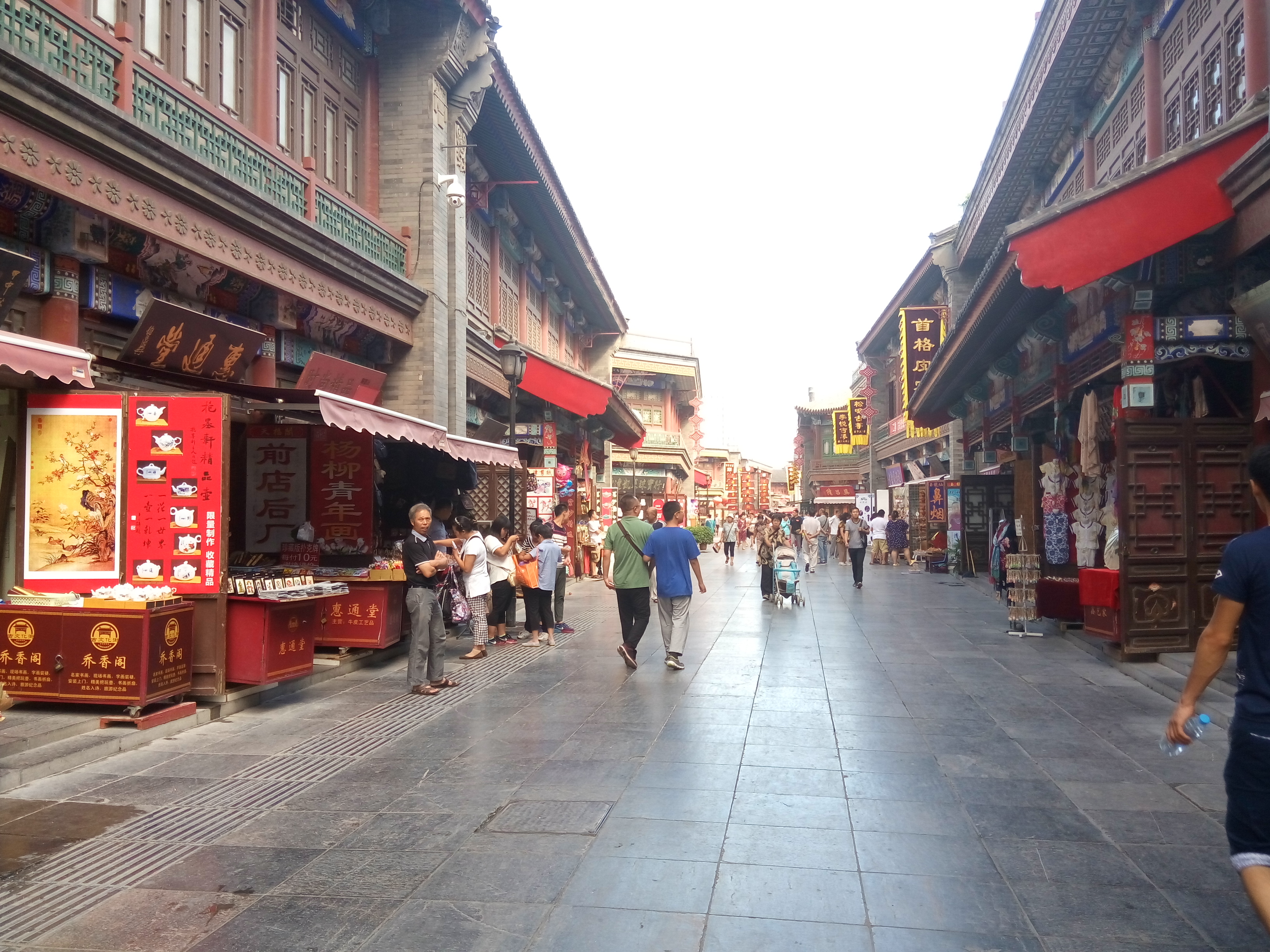
For dinner, I went to the Go Believe (Goubuli) flagship restaurant. To be honest, not many Tianjin locals eat at Goubuli anymore, but for a tourist like me, the name "Goubuli" itself was a ritual.
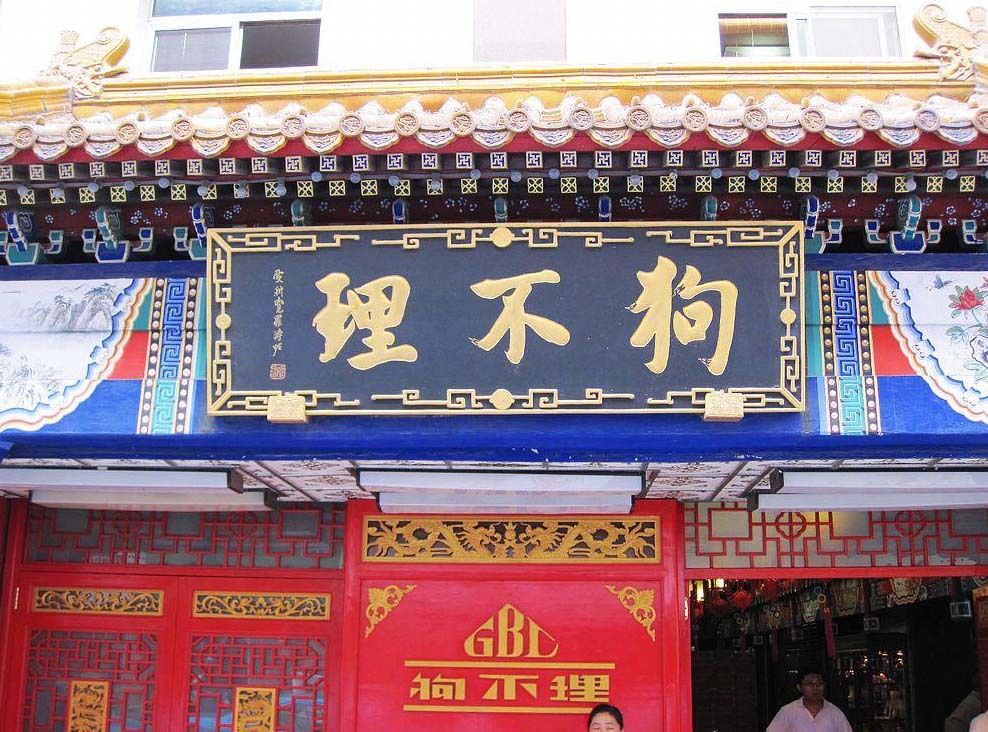
I ordered a basket of the traditional pork buns — sixteen pleats, crisp and clear. Biting into one, the dough was soft and fluffy, and the filling carried a rich aroma of soy sauce, ginger, and scallions. It wasn't life-changing, but it was definitely more refined than your average steamed bun.
As I was leaving Tianjin, the high-speed rail station announcement was delivered in the Tianjin dialect — "Qǐng lǚkèmenr zhùyì le." I couldn't help laughing. In this city, even the public announcements do stand-up comedy.