Shanghai Coffee and Architecture Tour
Shanghai's French Concession has a certain quality that no one else can replicate. It's not as ostentatious as the Bund, nor as sharp-edged as Lujiazui. It hides quietly beneath the shade of plane trees, waiting for you to walk in and discover that a single short street holds half a century's worth of stories.
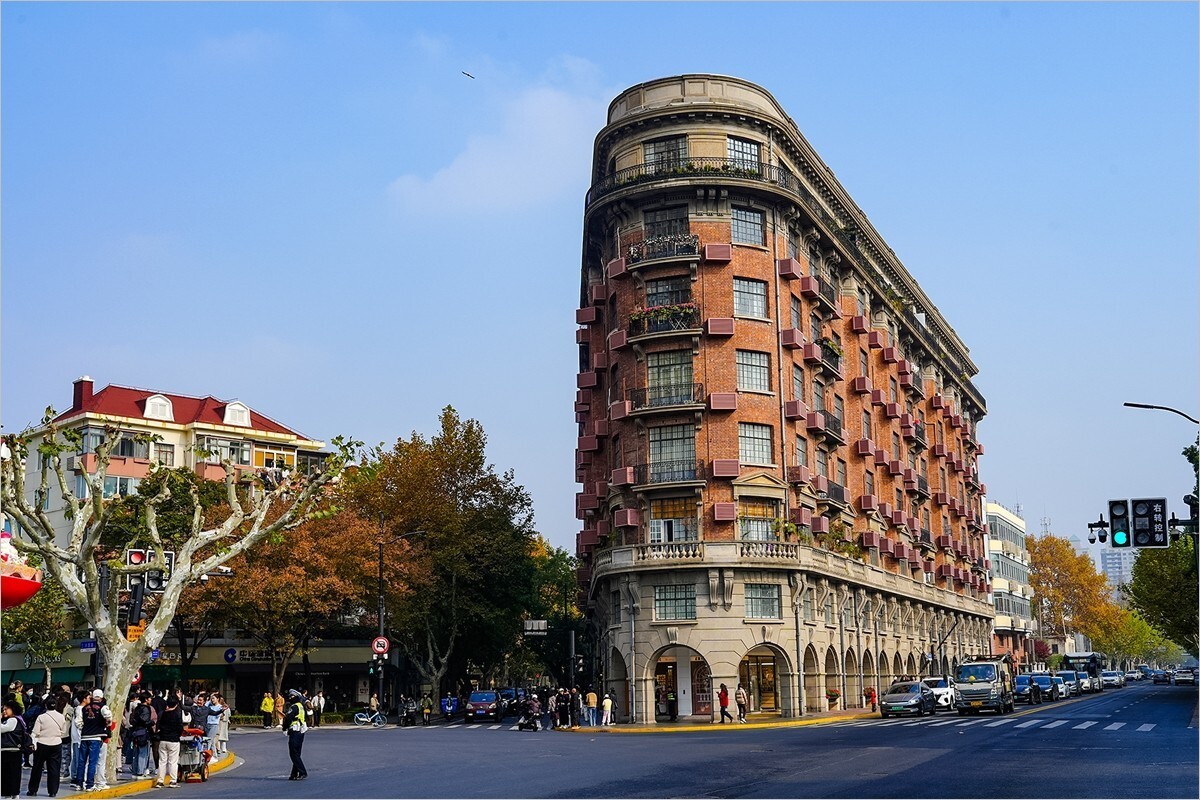
I started my walk on Wukang Road. This street, less than two kilometers long, packs in dozens of historic buildings in an astonishing variety of architectural styles. The most famous, of course, is the Wukang Building — a triangular "giant ship" anchored at the intersection, its red brick façade glowing warmly in the afternoon sunlight. I stood across the street for a long time, coffee in hand, watching the light and shadow shift slowly across the building's surface. Tourists with cameras kept passing by, but strangely, no one made a sound — it was as if the building's aura had silenced everyone.
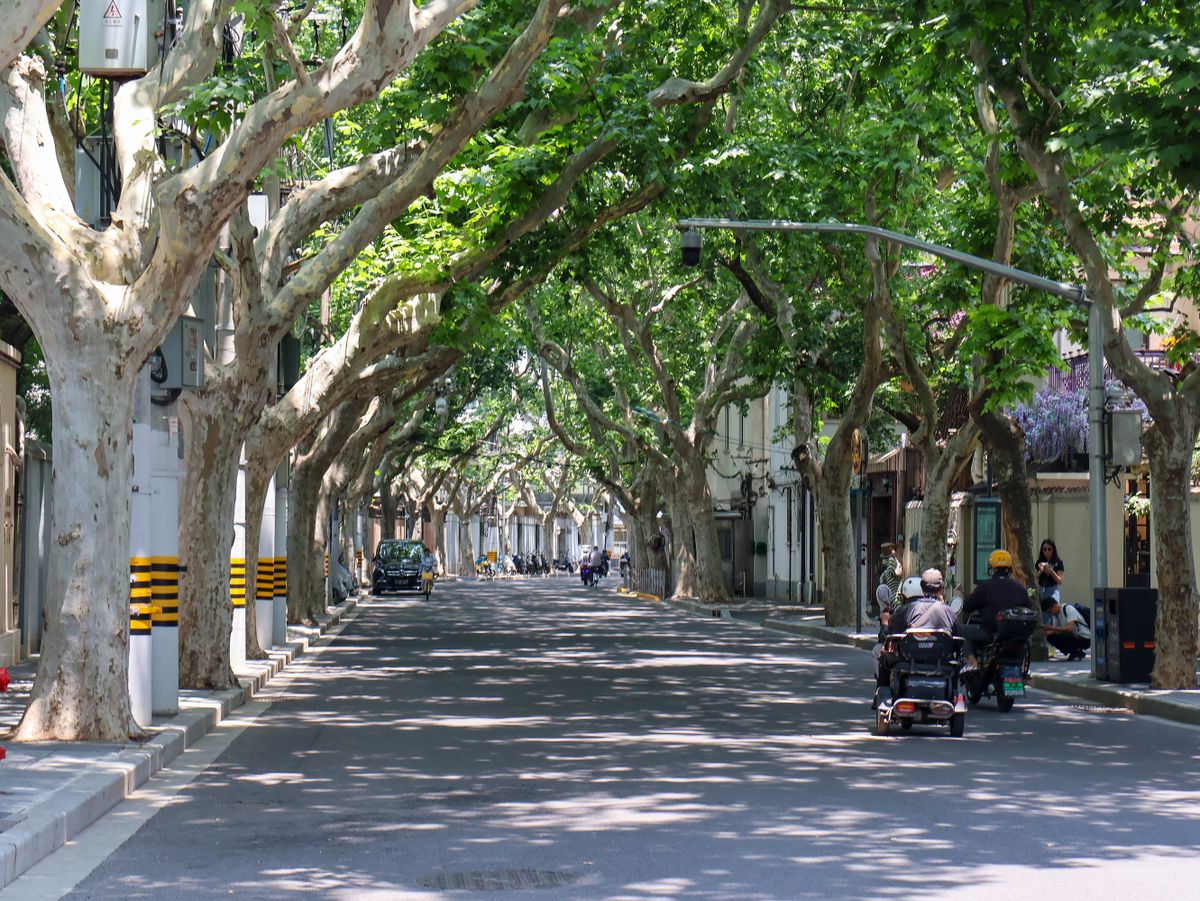
Walking south along Wukang Road, towering French plane trees lined both sides, their leaves intertwining overhead to form a green tunnel. Every villa I passed had its own story — Ba Jin's Former Residence, Huang Xing's Former Residence, the Romeo Balcony… Some are open to the public, others remain private homes. Passing a slightly ajar iron gate, I caught a glimpse of laundry drying in the courtyard and a vintage bicycle. In that moment, I felt I had glimpsed the real Shanghai — a place where history isn't locked away in museums, but woven into everyday life.
I shifted gears in the afternoon and headed to 1933 Old Millfun. This place belongs to a completely different world from Wukang Road's elegance.
Originally the largest slaughterhouse in the Far East, this building was designed by British architects. Its concrete structure radiates a stark, cold industrial beauty. The most striking feature is the interior cattle ramps — spiraling pathways originally used to drive cattle toward the slaughterhouse floor. Today, they serve as corridors for a creative park, with galleries, design studios, and cafés tucked into every corner.
I sat down at a café on the third floor and ordered a pour-over. The barista was a young man wearing glasses. We chatted, and I learned he had studied architectural design — he opened his shop here because he was captivated by the building's "flat slab" structure. He pointed at the ceiling to show me the mushroom columns, explaining that this structural design was a global first at the time.
I left 1933 as dusk was settling in. Looking back at this gray concrete behemoth, the setting sun gilded its edges with a golden rim. Before coming to Shanghai, I thought this city was all about skyscrapers. After walking through Wukang Road and 1933, I understood that the most captivating thing about Shanghai is precisely this contrast — refined elegance and rugged industrial memory, coexisting improbably over the span of a single cup of coffee.