Xi'an Ancient City Wall and a Culinary Journey
Xi'an is the city with the most "depth" I've ever visited. Not the depth of its city walls — the depth of its history.
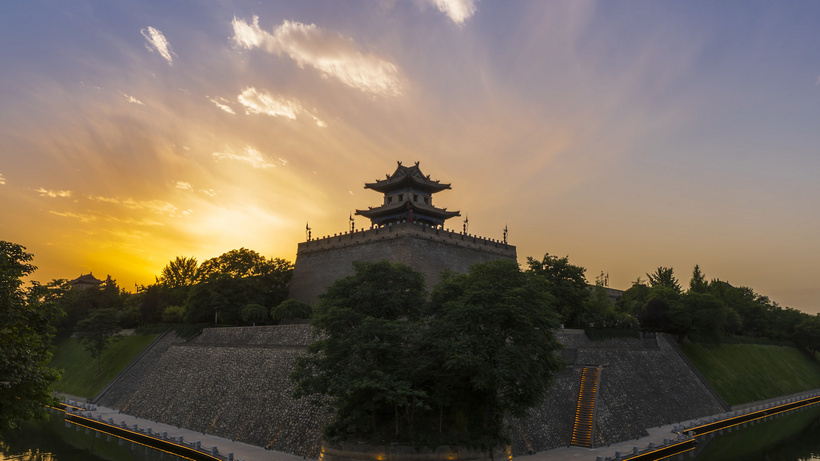
My first stop was the Xi'an City Wall. This is the best-preserved ancient city fortification in China, nearly fourteen kilometers in total length, built entirely of gray bricks. I chose the most "touristy" way to experience it — riding a bicycle on top of the wall. The wall is over ten meters wide at the top, wide enough for cars, but a bicycle is the best choice — not too fast, not too slow, just the right pace to let your thoughts travel through time. As I rode, on the left were the faux-ancient buildings inside the city, on the right the skyscrapers outside. One wall apart, a thousand years between them. When I neared the South Gate, I happened to catch the sunset: the entire wall was bathed in warm gold, the lanterns on the gate towers began to light up one by one, and for a fleeting moment, I felt transported back to the Tang Dynasty.
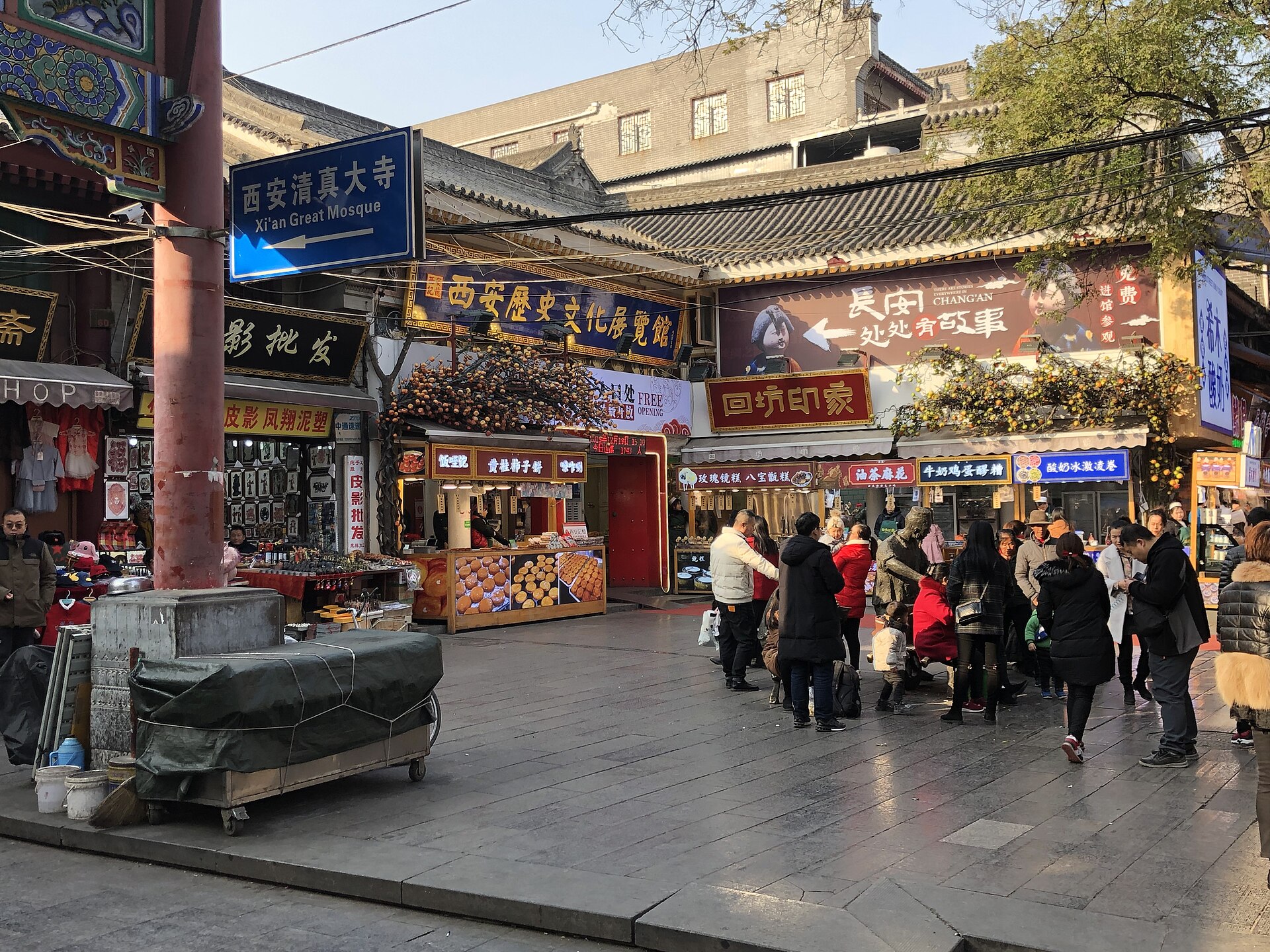
A ten-minute walk from the wall brought me to the Muslim Quarter. The moment I stepped in, I was met with a sea of people and the aroma of grilled meat drifting through the entire street. I queued for twenty minutes at Lao Mi's Rainy Day Roujiamo, and when I finally took a bite — the outer crust was crispy, the braised pork inside was lean without being dry, fatty without being greasy, and the meat juices trickled down my fingers. In that moment, every minute in the queue felt worth it. Then I ate my way down the street: Jia San's Soup Dumplings, with skin so thin and broth so abundant that you drink the soup through a straw first before eating the dumpling; Ding's Crispy Beef, made with beef tenderloin coated in a thin layer of batter and deep-fried to a crispy exterior and tender interior, sprinkled with cumin and chili powder — a plate vanished in a few bites. Finally, I wrapped things up with a serving of Osmanthus Cake — sticky rice cake drizzled with osmanthus honey, sweet but not cloying, the perfect finale.
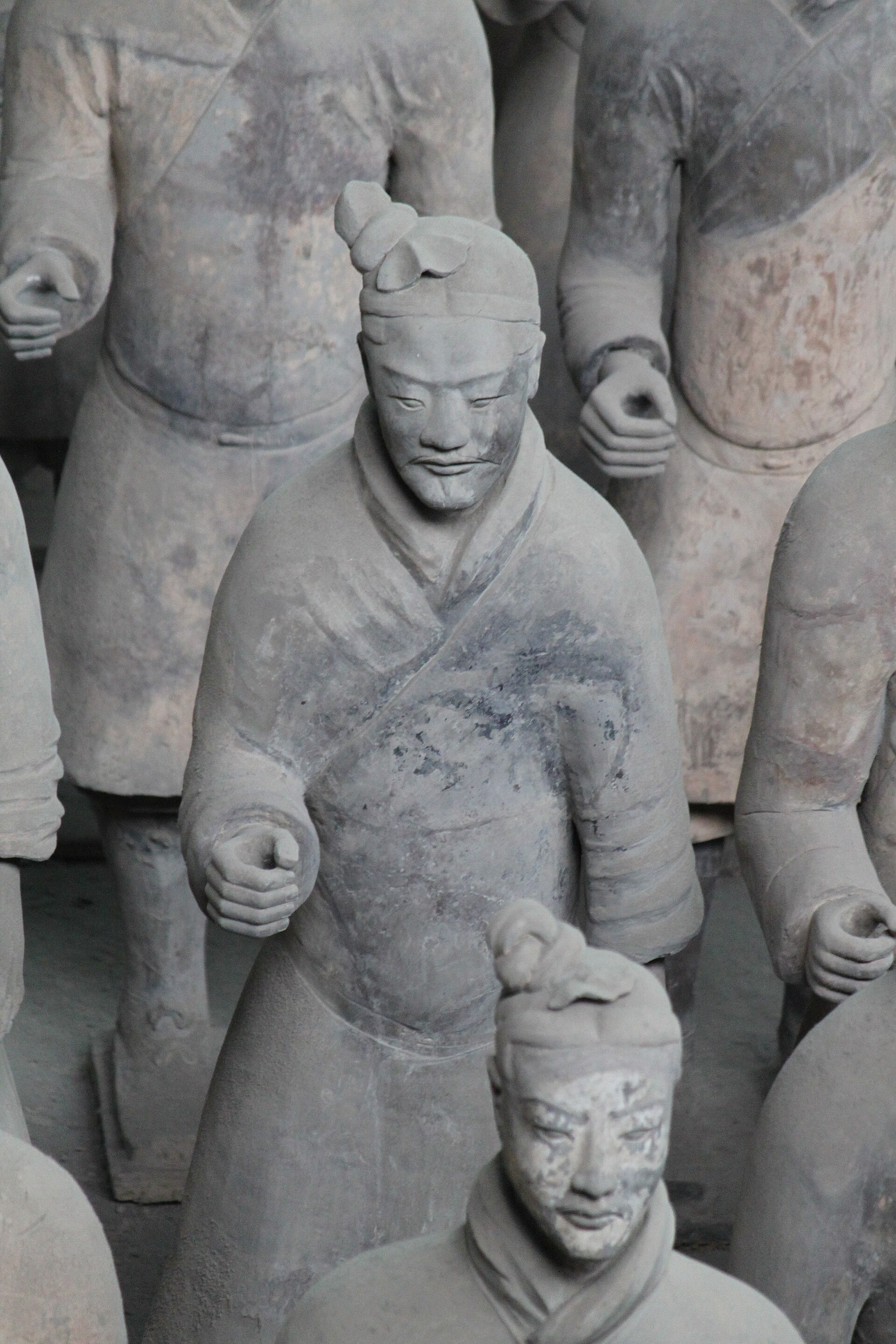
The next day, I went to see the Terracotta Warriors. It's about an hour by tourist bus from the city center. The moment I walked into Pit One, I realized that no photograph or video could ever do it justice — over six thousand terracotta soldiers stand in orderly rows inside a massive pit, each one with a distinct facial expression and hairstyle. Over two thousand years ago, the craftsmen gave every single soldier a unique face. Looking down from above, this silent army seemed as if it had just finished lining up, awaiting only the command to charge. At the Emperor Qinshihuang's Mausoleum Site Museum, I saw the restoration process of the warriors — each figure is unearthed as a pile of fragments, and archaeologists have to piece them back together like a jigsaw puzzle. One person, in an entire lifetime, might only be able to restore a dozen or so.
When I came out of the Terracotta Warriors site, the sun was setting. Over two thousand years ago, Qin Shi Huang used this terracotta army to guard his underground empire. Over two thousand years later, we stand here, marveling at his ambition and his obsession. The weight of time — you can feel it in Xi'an.