Shenzhen Technology and Modern Art Tour
Before coming to Shenzhen, a friend told me, "There's nothing much to see in Shenzhen, it's just a place for work." But after two days of exploring, I think he might have missed something.
My first stop was Huaqiangbei. Stepping out of the metro station, I was greeted by the smell of electronic components and plastic packaging. The ground-floor counters were packed dense — mountains of phone accessories, circuit boards, LED strips piled high. The upper floors house the electronic components market: capacitors and resistors sold by weight, chips bundled in stacks inside glass cabinets. I wandered into a second-hand camera shop. The owner, a Chaoshan native in his forties, chatted with me about Huaqiangbei's golden age while repairing a lens — "Back in the early 2000s, this street had a daily transaction volume in the hundreds of millions. A single counter rented for over a hundred thousand a month."
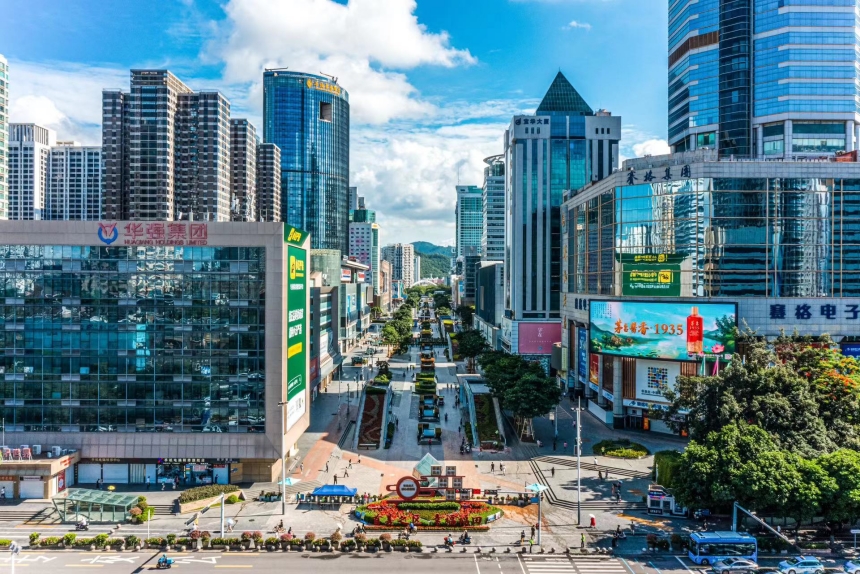
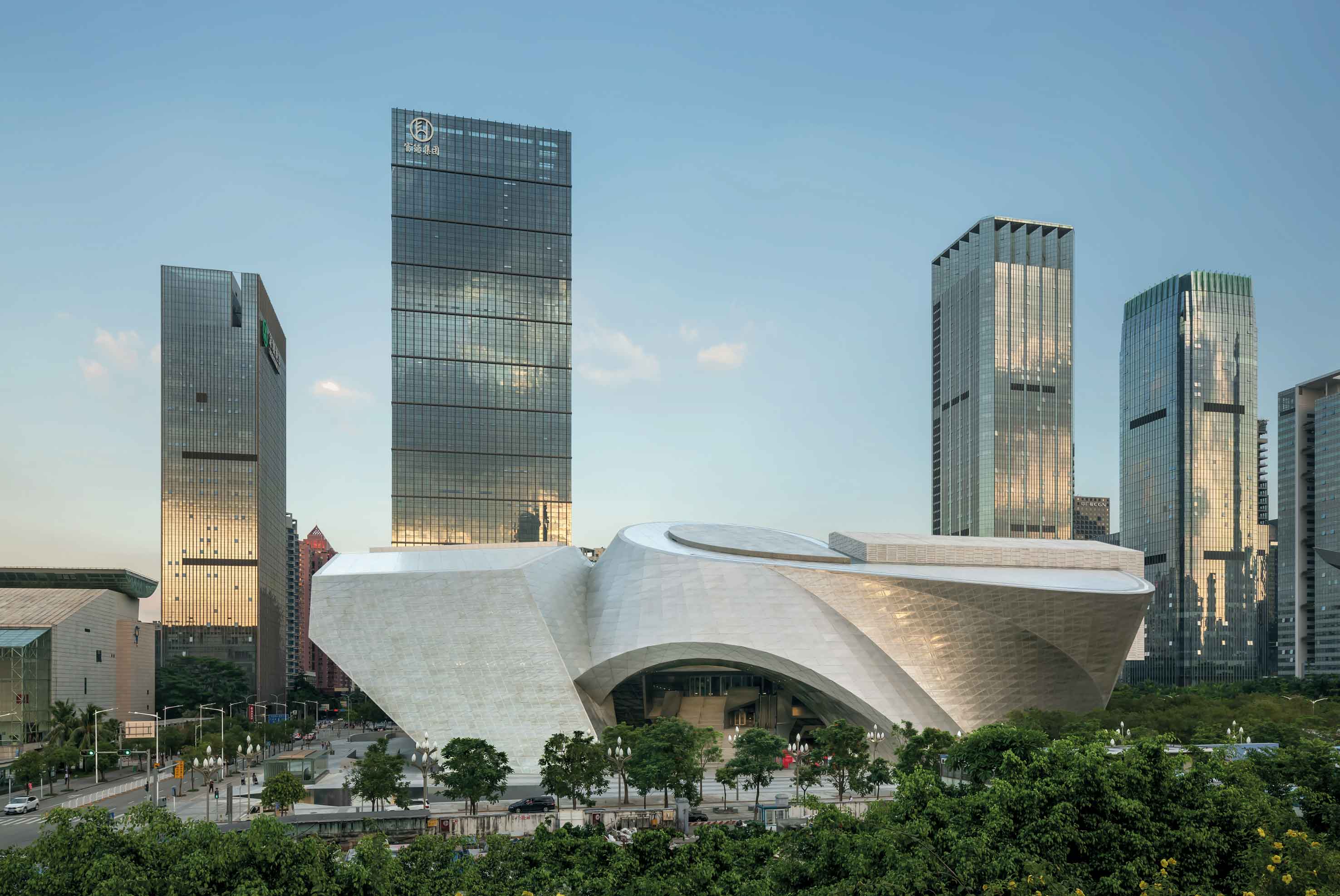
After Huaqiangbei, a few metro stops took me to the Museum of Contemporary Art and Urban Planning (MOCAPE). The building itself is a work of art — a massive silver metallic shell that looks like a crumpled sheet of tin foil, reflecting flowing light and shadow in the sun. The permanent exhibition, "The Great Tide Rising on the Pearl River," tells the story of Shenzhen's forty-year transformation from a small fishing village to an international metropolis. The old photographs and videos of makeshift sheds, pile drivers, and the city's earliest pioneers formed a fascinating intertextual dialogue with the hustle and bustle of Huaqiangbei.
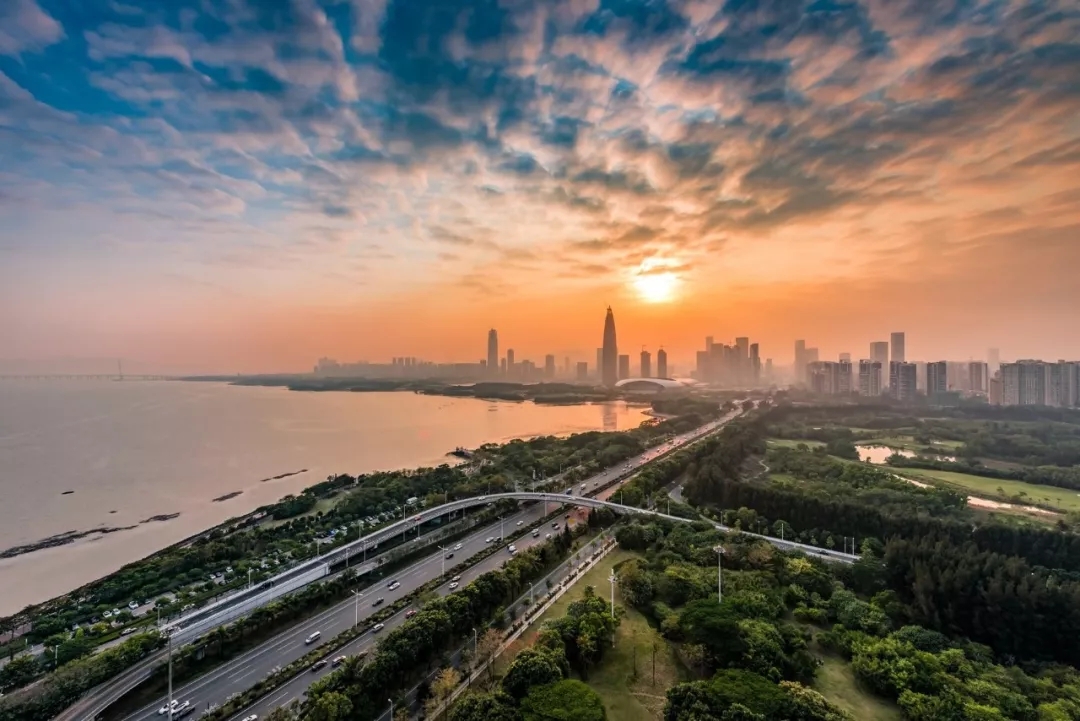
In the evening, I headed to Shenzhen Bay Park. Walking slowly along the fifteen-kilometer coastal promenade, the shadowy outline of Hong Kong's Yuen Long lay right across the water. At sunset, the entire sea turned into a giant orange mirror. Young runners, couples walking their dogs, children flying kites — all became silhouettes. In the distance, the lights of the Shenzhen Bay Bridge began flickering on, one by one, like a string of pearls suspended above the sea.
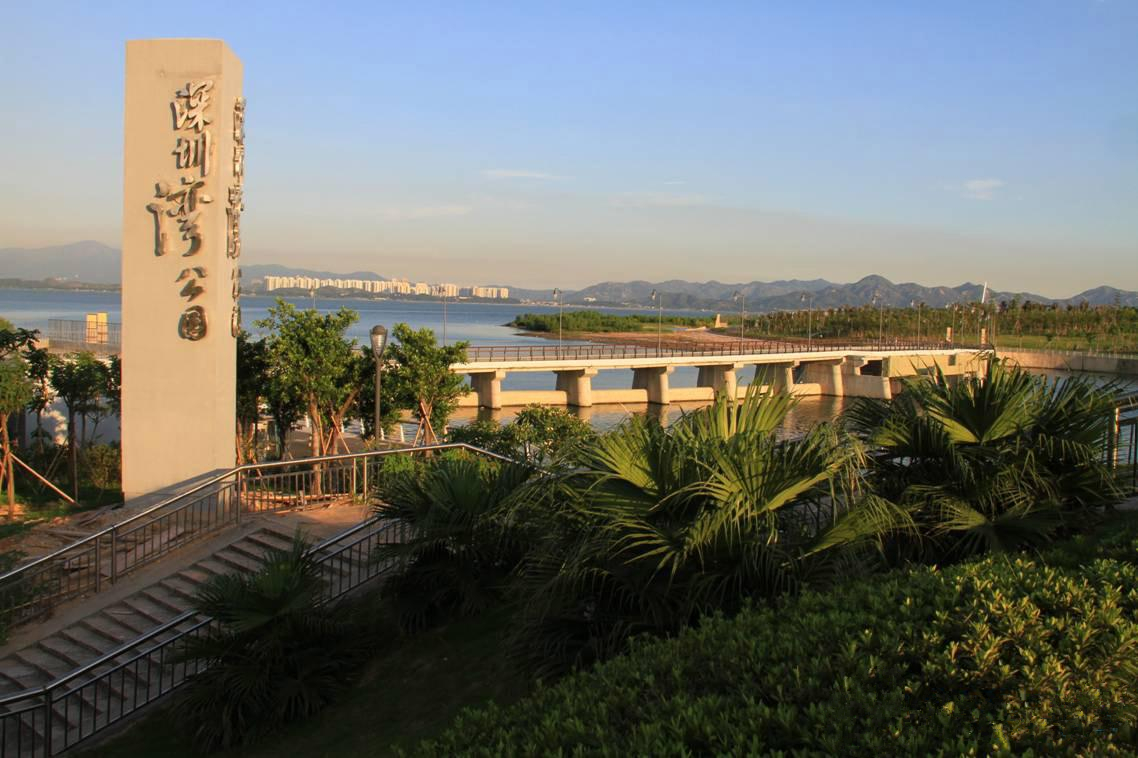
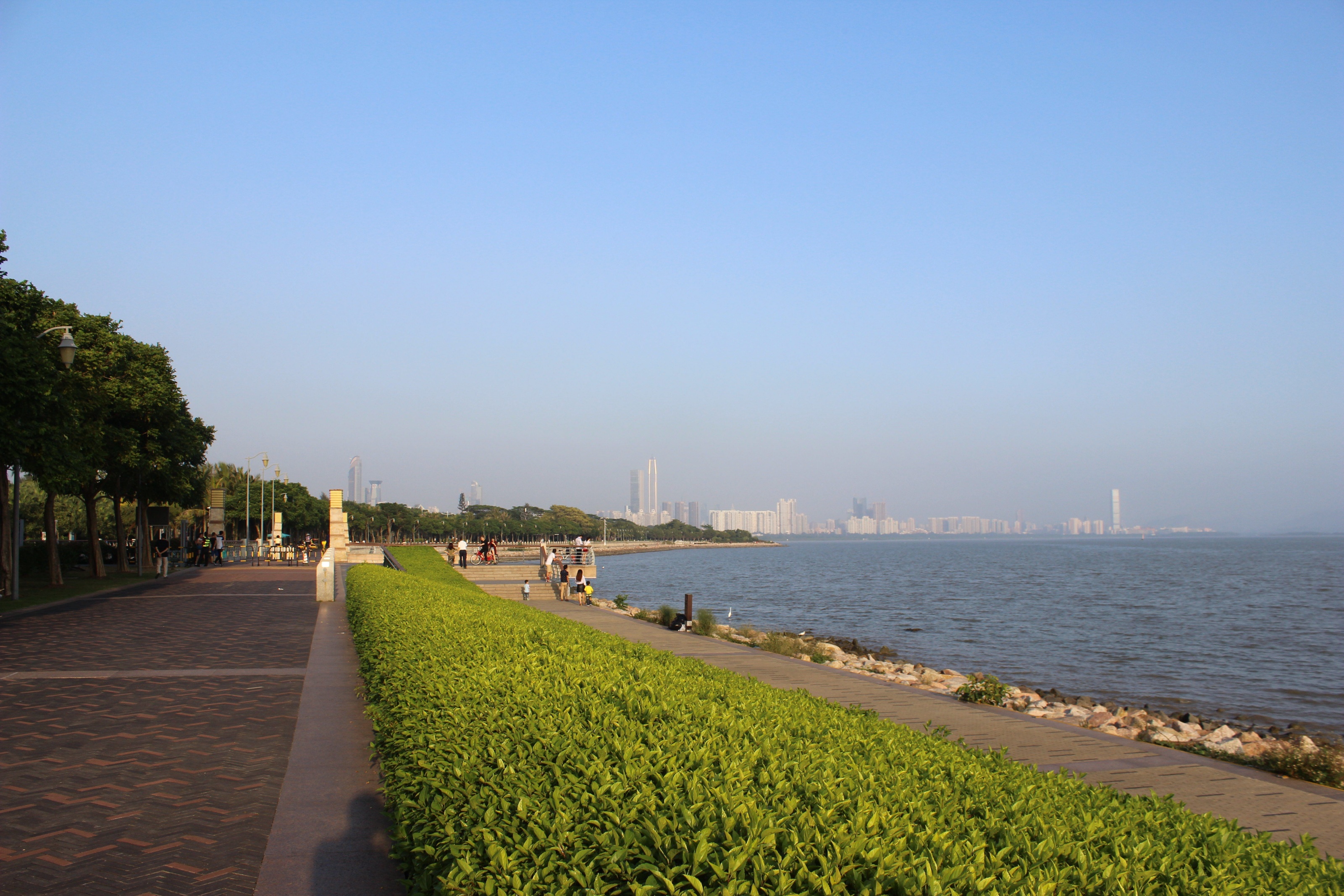
In my final few hours in Shenzhen, I sat on a bench by the sea, gazing at the lights of Hong Kong across the water and the scattered fishing boats dotting the surface. Perhaps this city truly doesn't have Xi'an's ancient walls or Hangzhou's West Lake, but it tells its own story in a different way — younger, and more fiercely alive.