China's traditional festivals are treasures in the treasury of Chinese culture. They not only carry profound cultural heritage but also embody people's aspirations for a better life. Each festival has its unique customs and is an important carrier of Chinese cultural heritage.
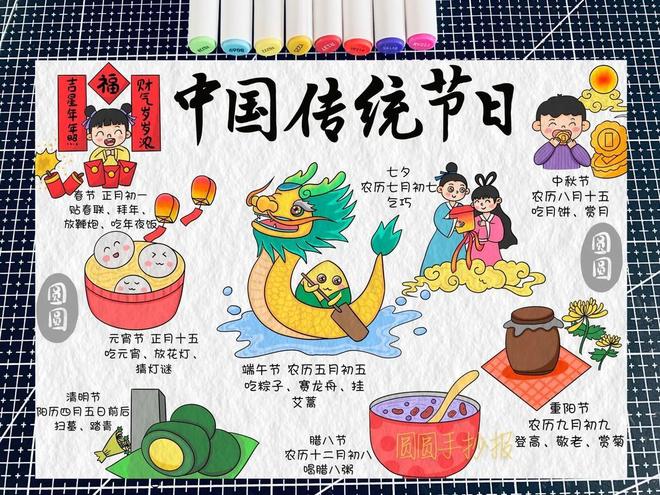
Spring Festival: Celebration of the New Year, Renewal of All Things
The Spring Festival, also known as the Lunar New Year, is one of China's most important traditional festivals, marking the beginning of the lunar new year. It usually falls between January 21 and February 20 in the Gregorian calendar. The history of the Spring Festival can be traced back to the age-sacrificing activities of the Xia and Shang dynasties, with a history of over 4,000 years.
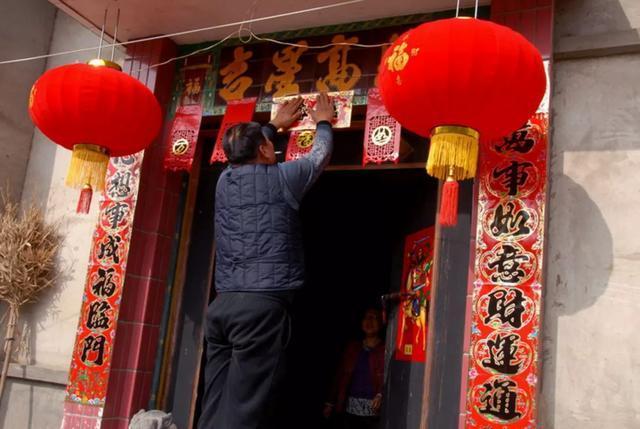
During the Spring Festival, every household conducts a thorough cleaning, pastes Spring Festival couplets, hangs lanterns, and sets off firecrackers to drive away evil and welcome auspiciousness, praying for peace and good fortune in the new year.
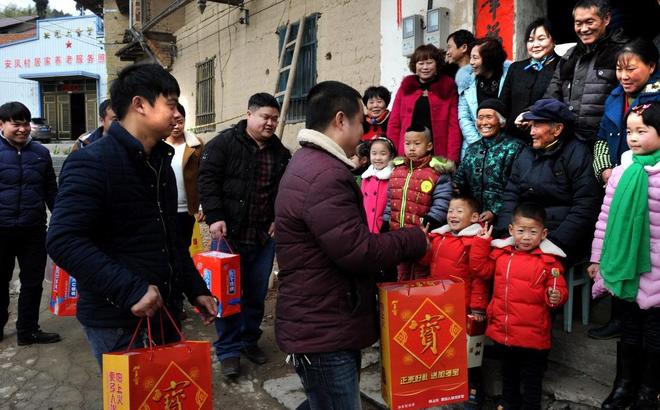
On New Year's Eve, the whole family gathers to enjoy a sumptuous reunion dinner, featuring fish, dumplings, and rice cakes, symbolizing abundance year after year, the transition of the old year to the new, and step-by-step advancement. Staying up late on New Year's Eve is another important custom, where people stay up until midnight to welcome the arrival of the new year.
The Spring Festival also includes activities such as paying New Year visits, giving red envelopes, dragon and lion dances, and visiting temple fairs, creating a lively and festive atmosphere everywhere.
Qingming Festival: Remembering Ancestors, Spring Outing
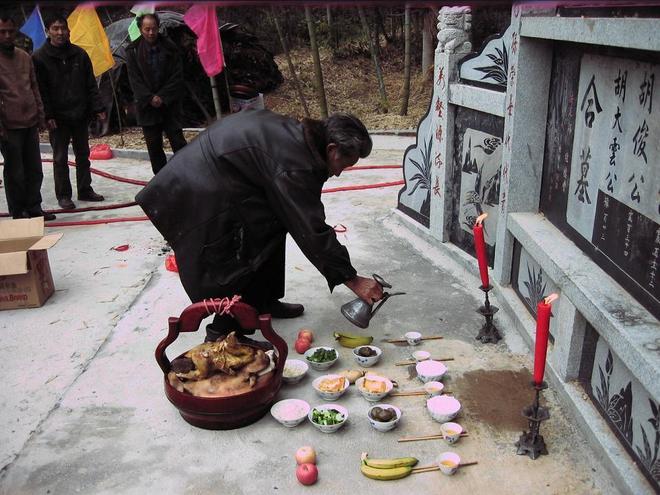
The Qingming Festival usually falls on April 4 or 5 in the Gregorian calendar and is a traditional ancestor-worshipping festival in China. During the Qingming season, the climate is mild and all things revive. People go out to sweep tombs and worship ancestors, expressing their remembrance for their forebears.
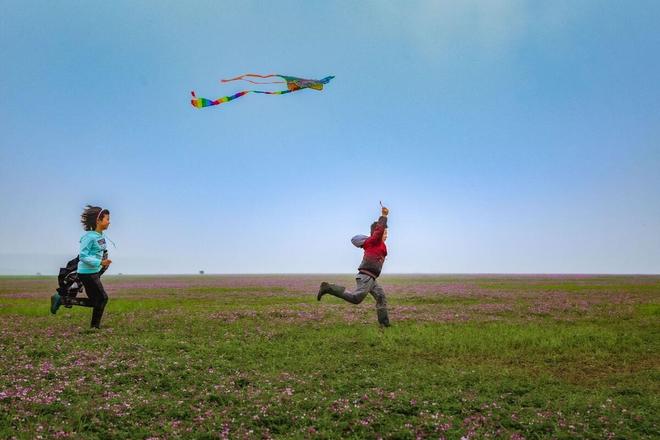
On this day, in addition to sacrificial activities, spring outings, tree planting, and kite flying are also common customs, expressing closeness to nature. The custom of tomb sweeping during the Qingming Festival reflects the traditional virtue of Chinese people to "carefully attend to the funeral rites of parents and follow them when gone with due sacrifices," as well as their profound understanding of life and death.
Dragon Boat Festival: Dragon Boat Racing, Fragrance of Zongzi
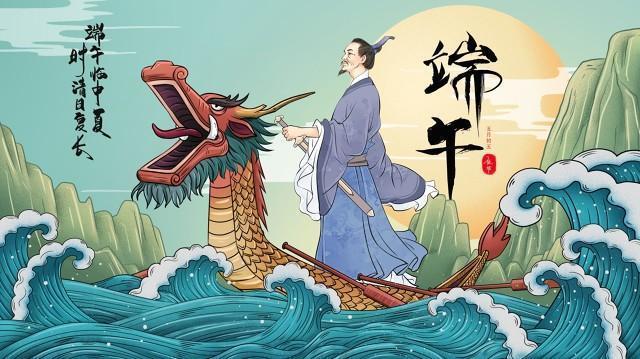
The Dragon Boat Festival, also known as the Duanwu Festival or Dragon Boat Festival, falls on the fifth day of the fifth lunar month. It is a festival commemorating the patriotic poet Qu Yuan. Qu Yuan was loyal to his country but was slandered and banished. He eventually threw himself into the Miluo River in despair. Local people rowed boats to throw food into the river to prevent fish and shrimp from eating his body, which gradually evolved into the customs of dragon boat racing and making zongzi.
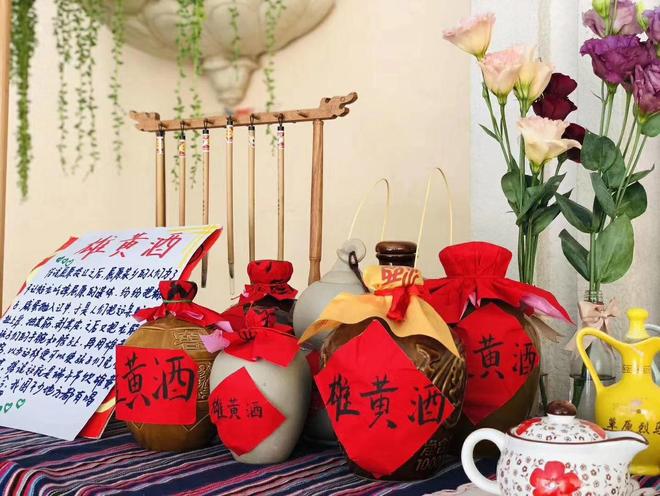
During the Dragon Boat Festival, every household also hangs mugwort and calamus to repel mosquitoes and purify the air. Zongzi, as the iconic food of the festival, comes in a wide variety of sweet and savory flavors, wrapped in people's deep remembrance of Qu Yuan. In addition, wearing sachets and drinking realgar wine are also popular customs, aimed at preventing epidemics and warding off evil, praying for health and safety.
Mid-Autumn Festival: Reunion Under the Full Moon
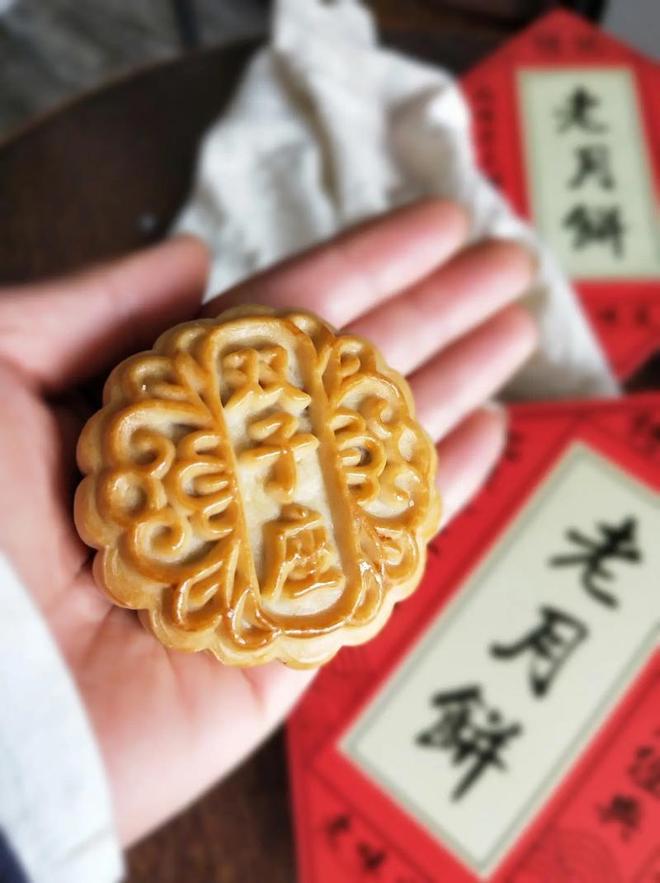
The Mid-Autumn Festival falls on the fifteenth day of the eighth lunar month and is one of China's most romantic traditional festivals, symbolizing reunion and harvest. The moon on this day is usually particularly round and bright. People are accustomed to admiring the moon, eating mooncakes, and carrying lanterns, expressing their longing for distant relatives.
Mooncakes, as the characteristic food of the Mid-Autumn Festival, symbolize reunion, happiness, and auspiciousness. Their flavors and styles have become increasingly diverse with the changes of the times.
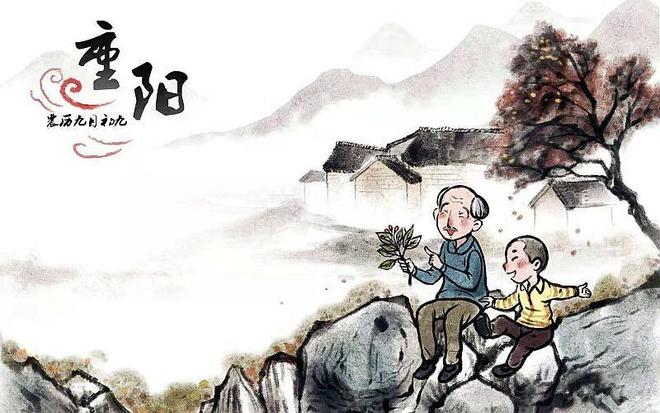
Double Ninth Festival: Climbing High to Look Afar, Respecting and Loving the Elderly
The Double Ninth Festival, also known as the Elderly Festival, falls on the ninth day of the ninth lunar month. It is a festival advocating filial piety and respecting the elderly. The ancients believed that "nine" is the extreme of yang numbers, and two nines overlap, hence the name "Double Ninth." On this day, people have the customs of climbing high mountains, appreciating chrysanthemums, drinking chrysanthemum wine, and wearing cornelian cherry, which can both strengthen the body and ward off illness, and also symbolize warding off evil and praying for good fortune, longevity, and health.
Final Words
China's traditional festivals are the embodiment of the national spirit and precious cultural heritage accumulated through the long river of history. These festivals are not just nodes in time but also emotional bonds connecting the past and the future, carrying people's love for life.