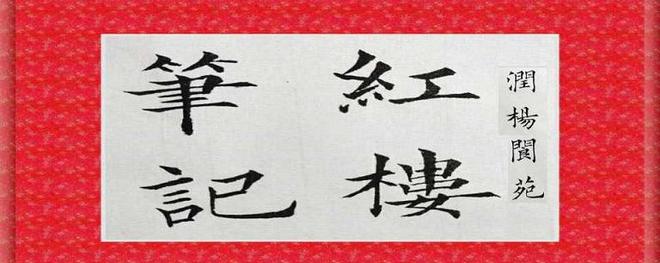
Traditional Chinese culture encompasses folk customs, opera, chess arts, tea ceremony, traditional Chinese musical instruments, and literati calligraphy and painting. The excellent traditional cultures of all ethnic groups are components of Chinese culture.
I. Folk Customs
Folk customs, also known as folk culture or customs, refer to the relatively stable cultural practices gradually formed and passed down through generations by a nation or social group in long-term production practice and social life. They can be simply summarized as popular trends and customs among the people.
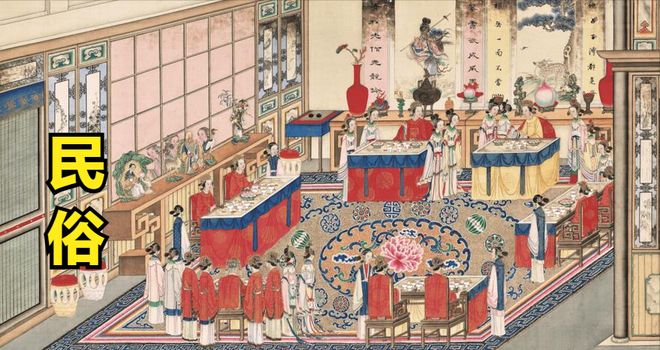
China has many traditional folk customs, such as the customs of the twenty-four solar terms, New Year customs, Mid-Autumn Festival, Dragon Boat Festival, Qingming Festival, Double Ninth Festival, and other festival customs. Each custom has a long history and cultural heritage.
II. Opera
Chinese opera, along with Greek tragedy and comedy and Indian Sanskrit drama, is known as one of the world's three ancient dramatic cultures. Chinese opera takes the five major opera genres of "Peking Opera, Yue Opera, Huangmei Opera, Ping Opera, and Yu Opera" as the core of the Chinese opera garden.
China has many famous opera artists, such as Mei Lanfang in Peking Opera; Wang Wenjuan in Yue Opera; Yan Fengying and Ma Lan in Huangmei Opera; Xiao Baiyushuang in Ping Opera. The representative figure of Yu Opera is Chang Xiangyu and others.
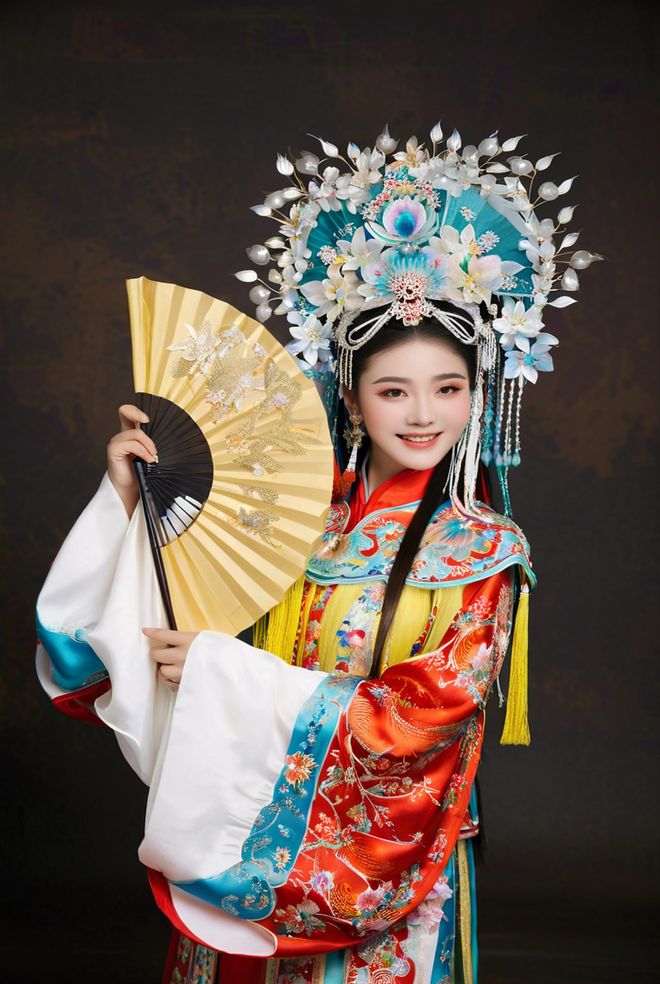
Opera is a comprehensive art form combining literature, music, dance, fine arts, martial arts, acrobatics, and performing arts, highly entertaining.
There are many descriptions of opera in "Dream of the Red Chamber." Many operas appear in it, such as: "The Peony Pavilion," "The Romance of the Western Chamber," and excerpted operas such as: "Shanmen," "The Legend of the White Snake," "The Full Bed of Official Tablets," "The Southern Branch Dream," and so on.
III. Chess Arts
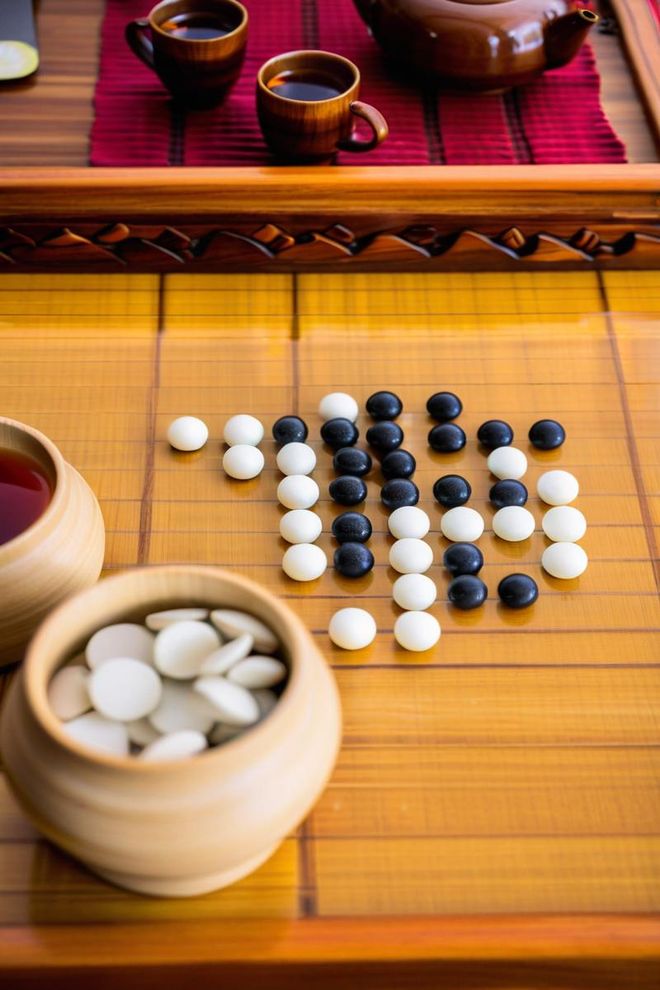
China has Chinese chess, Go, and so on. Shenyang has a Qipan Mountain (Chessboard Mountain), which is said to be the place where Lu Dongbin and Tie Guai Li played chess.
In "Dream of the Red Chamber," Yingchun is a Go master. After Yingchun left the Grand View Garden, Baoyu had a poem missing his sister Yingchun. The poem says, "No longer hearing the chess sounds throughout the long day, swallow mud spots stain the chessboard. The ancients cherished parting with friends, how much more so I with my sibling today."
The ancients left behind poems about playing chess. For example, "An appointment unkept past midnight, idly tapping chess pieces, lamp flowers fall." Shao Yong of the Song Dynasty wrote, "The courtyard is quiet in deep spring, the door closed during the day, leisurely watching guests compete in chess among the bamboo." Bai Juyi wrote, "Only with Liu Chushi of Songyang, playing Go and betting on wine until dawn."
IV. Tea Ceremony
The representative figures of the tea ceremony include Lu Yu, the Tea Sage of the Tang Dynasty, and the poet Lu Tong. The former wrote "The Classic of Tea." The latter, while living in seclusion at the Tea Immortal Valley and Tea Immortal Spring of Shaoshi Mountain, wrote "The Tea Manual" and "The Seven Bowls of Tea Poem."
The tea ceremony enhances friendship, beautifies the mind and cultivates virtue, and teaches etiquette through brewing tea, appreciating tea, smelling tea, and drinking tea. It allows one to appreciate traditional virtues and is a life art of cooking and drinking tea, a life etiquette with tea as the medium, and a lifestyle of self-cultivation through tea. The spirit of the tea ceremony is the core of tea culture.
Tea ceremony culture originated in China and was introduced to Japan during the Southern Song Dynasty.
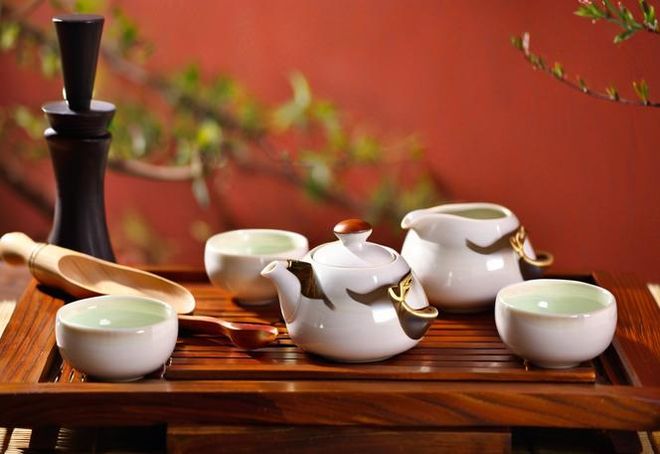
In "Dream of the Red Chamber," there are also descriptions of tea culture. The tea sets, tea leaves, and water for brewing tea are all very particular.
V. Traditional Chinese Musical Instruments
Traditional Chinese musical instruments are divided into the following 4 categories:
1. Wind Instruments: The common flute, xiao (vertical bamboo flute), and suona (Chinese trumpet) are wind instruments. Also included are pan flute, xun (ocarina), sheng (mouth organ), lusheng, bawu, guanzi (double-reed pipe), and so on.
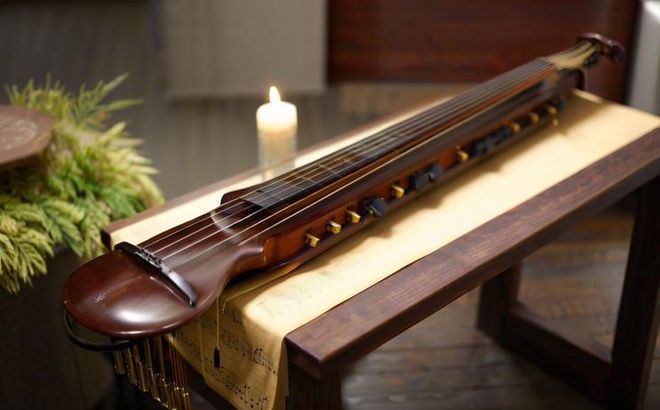
2. Plucked Instruments: Guqin, zheng (Chinese zither), ruan (four-stringed lute), and pipa (Chinese lute) all belong to plucked instruments. Also included are yueqin, liuqin, konghou (ancient harp), sanxian, qinqin, dombra, and rawap. Chinese plucked instruments are divided into horizontal and vertical types. Horizontal types include zheng, guqin, and dan tranh; vertical types include konghou, pipa, ruan, yueqin, sanxian, liuqin, and dombra.
3. Percussion Instruments: Yangqin and drums are percussion instruments, also including pengling (small bells), yunluo (gong chimes), fou (ceramic drum), bianzhong (bronze bells), bianqing (stone chimes), ganggu (barrel drum), tonggu (bronze drum), large and small gongs, xiaogu (small drum), paigu (drum set), and da bo (large cymbals). According to their different sounds, they can be divided into three types: resonant bronze, resonant wood, and leather.
4. Bowed String Instruments: Erhu, banhu, and jinghu are bowed string instruments. Also included include yehu, gehu, tianqin, xiqin, and matouqin (horsehead fiddle).
VI. Literati Calligraphy and Painting
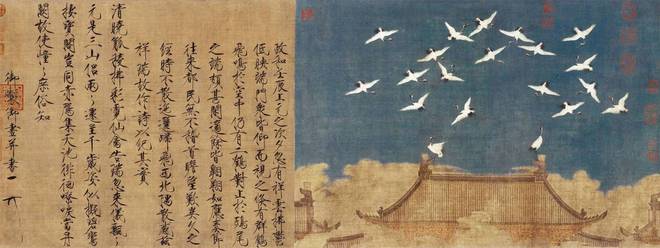
Since ancient times, literati calligraphy and painting have been highly esteemed. Many people spared no expense to collect ancient books, poetry, calligraphy, and paintings.
In "Dream of the Red Chamber," the Ningguo Mansion study hung the "Burning Torch Painting." In Qin Keqing's bedroom, there was Tang Bohu's "Haitang Spring Sleep Painting," with a couplet written by Song scholar Qin Taixu on both sides. In Tanchun's room, a large Mi Fuyang "Misty Rain Painting" hung in the center of the west wall, with a couplet on both sides, which was the authentic calligraphy of Yan Lugong.
The walls of ancient aristocratic families or scholarly households were all hung with literati calligraphy and paintings. Either to express aspirations and ambitions, or to express emotions and feelings.